









Choosing a school is one of the most significant decisions a parent makes. Academic performance, curriculum standards, and future outcomes understandably play an important role in this choice. At the same time, education influences far more than marks and certificates—it shapes how children think, grow, and understand themselves.
A thoughtful school choice looks at academics and the environment in which learning takes place.
Begin With an Understanding of Your Child
Every child approaches learning differently. Some children thrive in structured settings, while others need time and space to explore concepts deeply. Understanding a child’s learning style, temperament, and pace can help parents identify environments where their child is most likely to flourish.
A good school recognises individual differences and supports students through appropriate guidance, structure, and encouragement.
Look Beyond the Curriculum on Paper
Curriculum frameworks and academic standards are essential, but how they are brought to life matters just as much. Classrooms should encourage engagement, clarity of thought, and meaningful participation.
Observing how children interact in the classroom—how teachers explain concepts, how students ask questions, and how learning is reinforced—often reveals more than brochures or prospectuses.
The Role of the Teacher in Academic and Personal Growth
Effective teaching balances expertise with empathy. Teachers not only deliver academic content but also model curiosity, discipline, and respect. When educators are attentive and responsive, students are more likely to stay motivated and confident.
Strong teacher–student relationships support both academic achievement and emotional development, creating an environment where children feel supported in their learning journey.
Assessments, Outcomes, and Healthy Expectations
Assessments and academic outcomes play an important role in measuring progress and readiness for future opportunities. Schools that value learning ensure that assessments are purposeful, well-structured, and aligned with curriculum goals.
At the same time, a balanced approach avoids unnecessary pressure by viewing assessments as part of a larger learning process. When expectations are clear and supportive, students are more likely to perform well while maintaining a healthy relationship with learning.
School Culture and Emotional Well-Being
A school’s culture influences how children experience education daily. Respectful interactions, clear communication, and emotional safety allow students to focus on learning without fear or anxiety.
Schools that combine academic discipline with emotional awareness tend to nurture confident, resilient learners who are better prepared to handle challenges both inside and outside the classroom.
A Balanced Educational Approach at Tharakans High
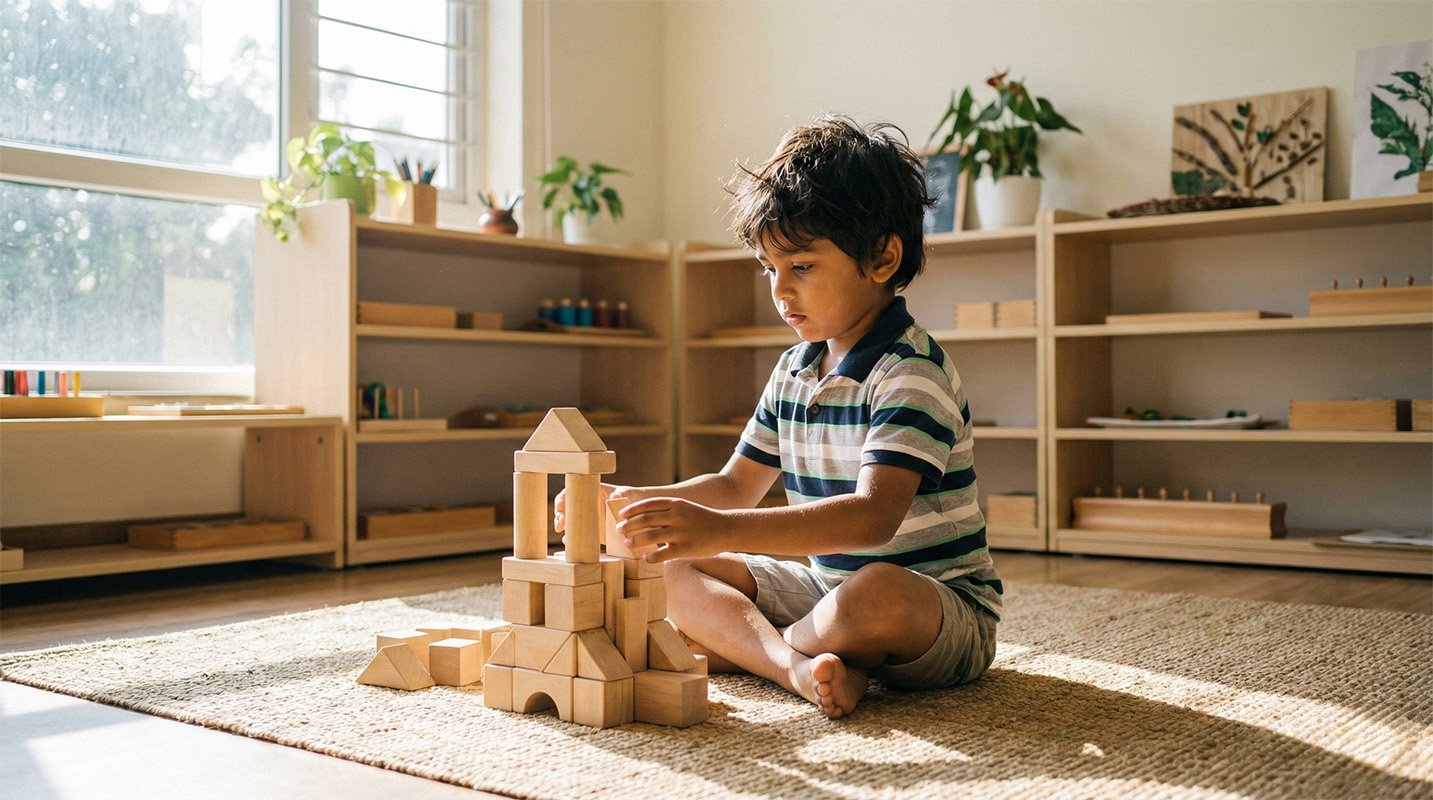
At Tharakans High, academic standards are valued alongside the principles of child-centred learning. Montessori foundations in the early years gradually transition into a structured academic framework, ensuring conceptual clarity, discipline, and preparedness for assessments.
This balanced approach supports strong academic outcomes while also nurturing independence, confidence, and curiosity.
Making a Thoughtful Choice
The right school is one that aligns with a child’s needs while offering academic rigour, supportive teaching, and a healthy learning environment. When academics and holistic development work together, children are better prepared—not only for examinations and rankings, but for lifelong success.