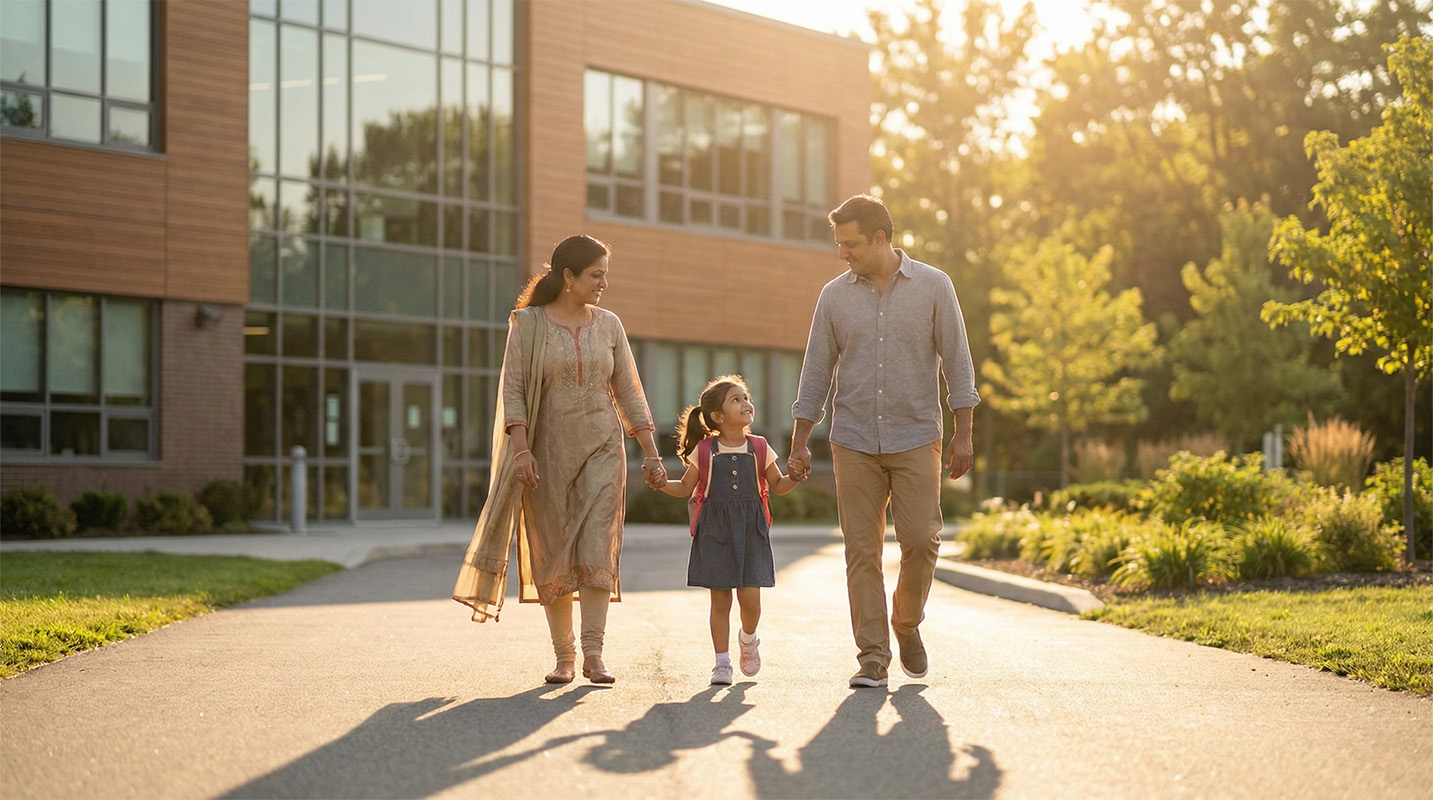







In today’s fast-changing world, education can no longer be limited to textbooks, exams, and marks alone. Children in India are growing up in a time of rapid technological change, evolving career paths, and increasing global exposure. As parents and educators, an important question arises: Are our schools preparing children only to score well, or are they preparing them to think, adapt, and thrive?
This is where the Montessori philosophy continues to be deeply relevant, even in the 21st-century Indian classroom
An Education That Respects the Child
The Montessori system is built on a simple yet powerful belief: every child has an innate desire to learn. When education respects a child’s natural curiosity and developmental pace, learning becomes meaningful and lasting.
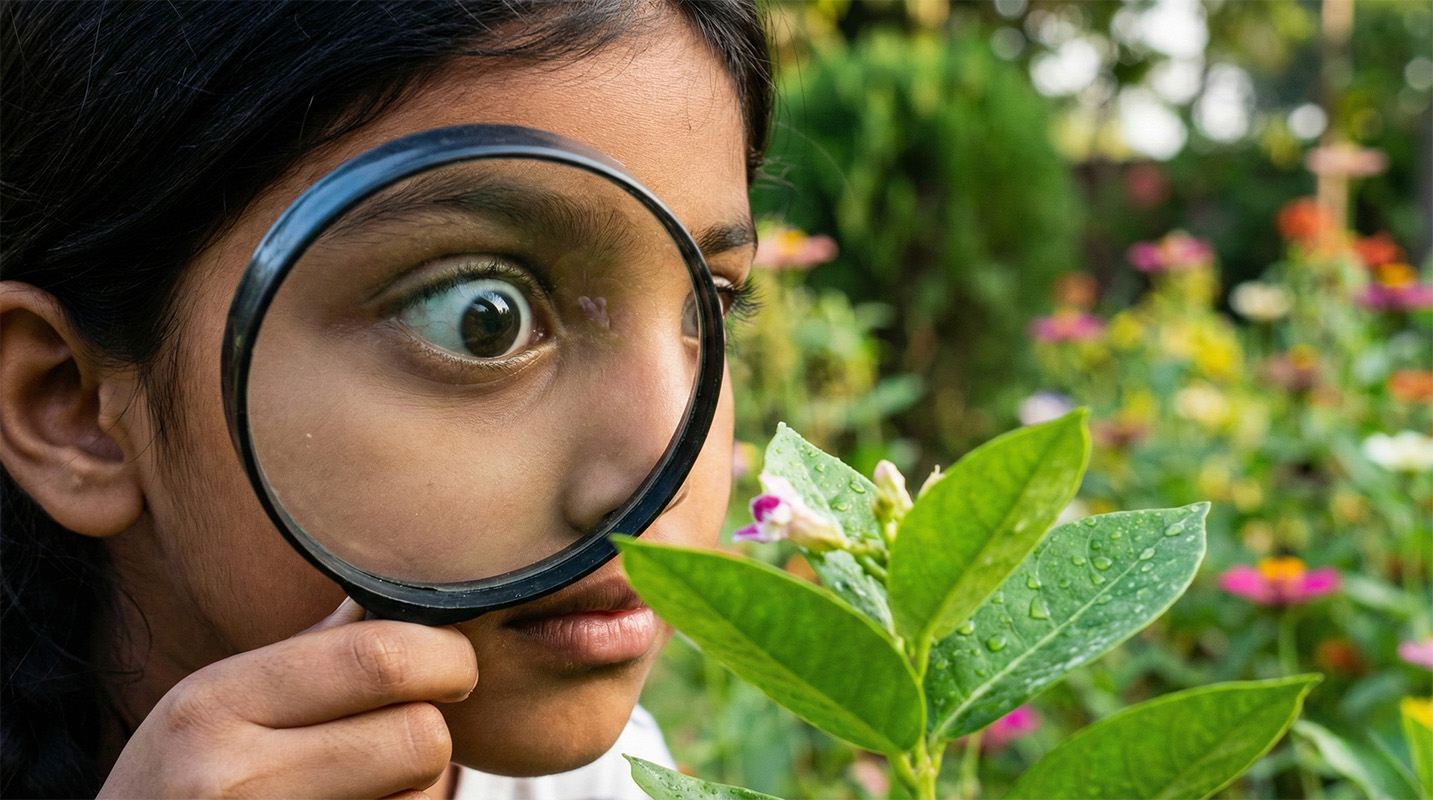
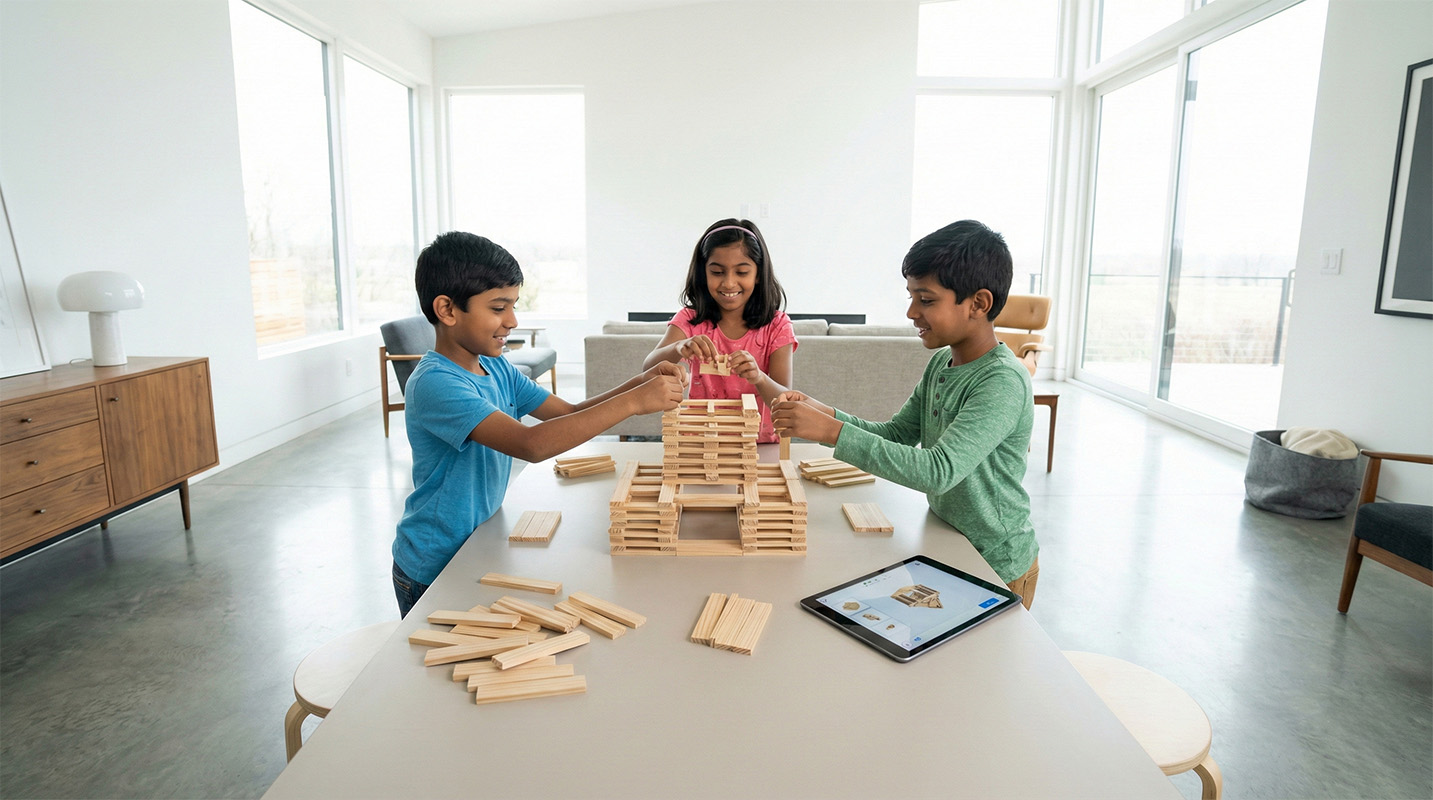
In contrast to rigid, one-size-fits-all methods that are still common in many Indian classrooms, Montessori encourages children to explore concepts through activity, observation, and experience. This approach allows children to truly understand what they learn, rather than memorising information for examinations.
Building Independence in a Structured Environment
Indian parents often value discipline and structure—and rightly so. Montessori education does not reject structure; instead, it redefines it. Children are given freedom within clearly defined boundaries, helping them develop self-discipline rather than dependence on constant external control.
From managing their own work to making choices responsibly, children learn independence in a guided manner. Over time, this builds confidence, focus, and accountability—qualities that support both academic success and personal growth.
Moving Beyond Rote Learning
One of the biggest challenges in the Indian education system has been an over-reliance on rote memorisation. While memorisation has its place, true learning happens when children understand concepts and can apply them in different situations.
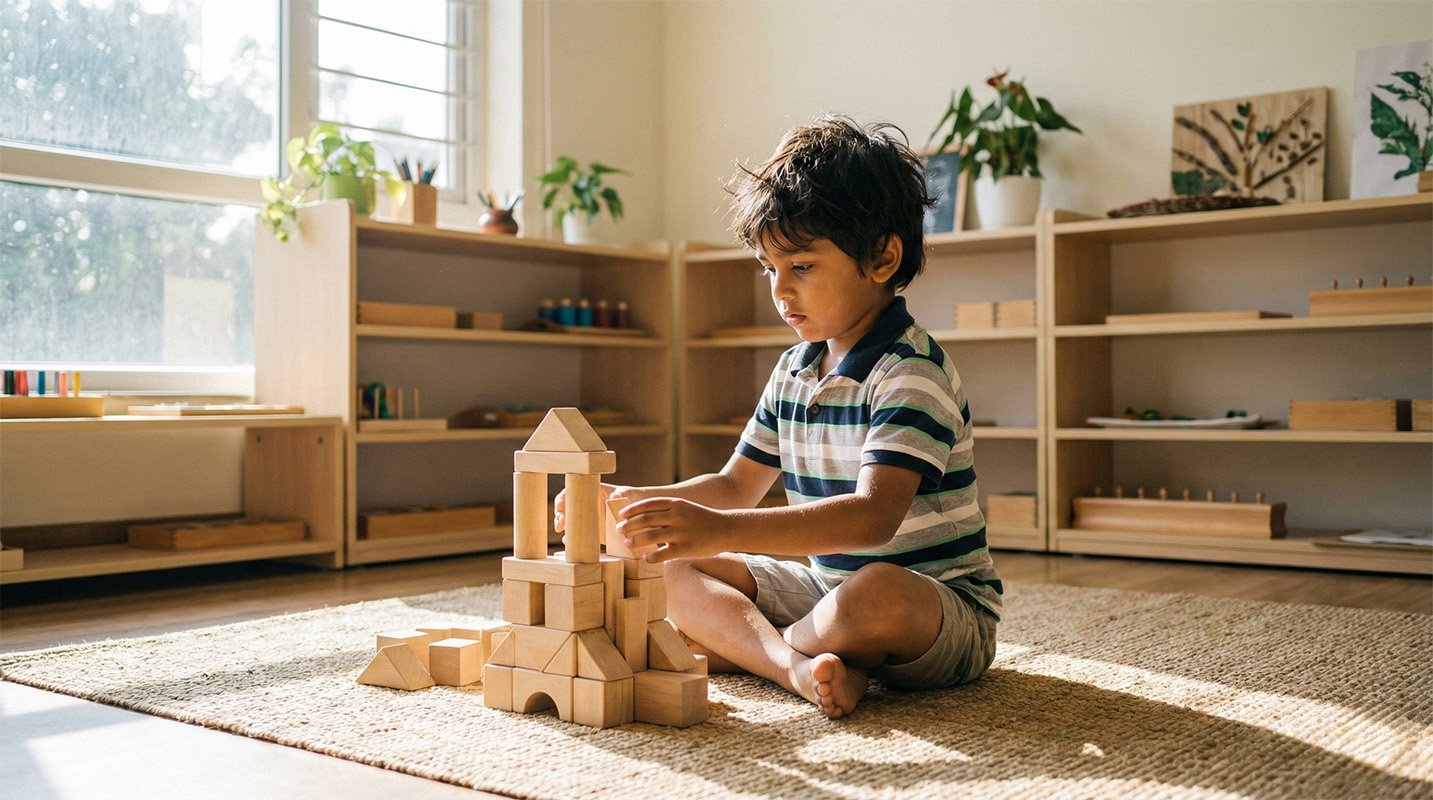
Montessori classrooms emphasise hands-on learning and real-life connections. Whether it is mathematics, language, or environmental studies, children engage with materials that make abstract ideas tangible. This strengthens conceptual clarity and encourages critical thinking—skills that are increasingly important in competitive exams and higher education alike.
Preparing Children for the Future of Work and Life
The future will demand more than academic knowledge. Skills such as problem-solving, adaptability, communication, and emotional intelligence are becoming just as important as marks on a report card.
Montessori education naturally nurtures these abilities by encouraging collaboration, self-reflection, and respect for others. Children learn to take ownership of their learning, work independently and in groups, and approach challenges with confidence—qualities essential for success in higher education and modern careers in India and beyond.
A Timeless Philosophy for Modern Indian Learners
At Tharakans High, Montessori principles form a strong foundation for learning. By blending these principles with academic rigour and clear expectations, the school aims to create an environment where students grow into confident, capable, and responsible individuals.
In a country as diverse and dynamic as India, education must do more than transmit information. Montessori remains relevant because it focuses on developing the whole child—intellectually, emotionally, and socially—preparing them not just for examinations, but for life.